
Searching the Cook County Court Docket
Begin by picking the right court. A Cook County court docket search only works when you know which tribunal holds the case. Superior Court of Georgia, Alapaha Judicial Circuit, is the general-jurisdiction trial court for felony criminal, domestic-relations, equity, and general civil matters. Magistrate, Probate, Juvenile, and municipal courts keep separate dockets. Georgia Courts’ E-Access directory can route a Superior user to a provider, but it is not a single Cook County search box. When the court or record type is unclear, the responsible clerk remains the best fallback. So gather your details first. Bring the court name, a party name, the case number if known, and the type of event or document you seek. A calendar entry helps locate a setting. Confirming a filing or order takes a docket or certified copy. The path below keeps those products separate.
- Identify Superior, Magistrate, Probate, Juvenile, or the city court that likely holds the matter.
- Open the appropriate provider or court page and choose Cook County or the issuing city when that field is offered.
- Try the exact party name or case number. Do not reuse a civil number pattern for a criminal case.
- Read the result as a timeline of filings, settings, orders, and status events, then check the circuit calendar for a hearing date.
- For a filed record, certification, or missing result, call the responsible clerk before relying on a screen view.
Cook County E-Access Docket Route
Georgia Courts bills E-Access as a directory. It sends a reader to a participating provider rather than hosting records itself. Cook County has no unified online database for every court. For Superior civil material, the Cook Clerk names PeachCourt as the civil e-filing and document path. Many searches require an account. Public document images can carry a per-page charge. For Superior criminal filing, the Clerk identifies EZ-File. Its public Georgia page is an account and filing interface, not an unauthenticated Cook criminal docket search. The provider choice matters. A blank result does not prove a case is absent. The matter may sit in Magistrate, Probate, Juvenile, a municipal court, or a restricted record class. PeachCourt help says coverage varies by court. Sealed, adoption, and unexecuted proposed-order material can be excluded. If the provider stops at a login gate or returns nothing, take the court and case details to the Clerk of Superior Court or the other office that holds the record. The state court-class map helps explain the route from the directory to the right trial court.
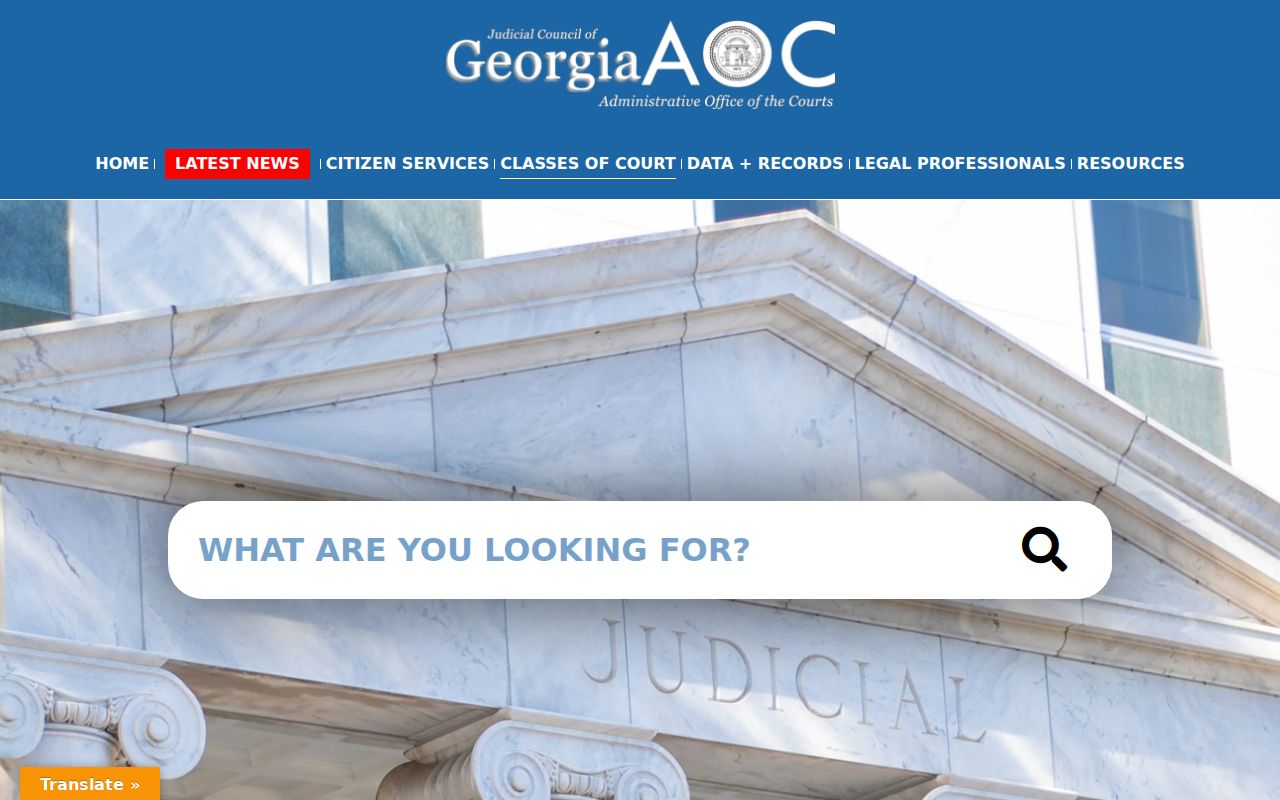
It is a structure map, not a case record. A Cook clerk’s case-level record tells you what this overview cannot.
| Search field | What Cook users should know |
|---|---|
| County | Select Cook County when the provider presents a county list. |
| Court | Choose Cook Superior for Superior civil or criminal material; other Cook courts use their own offices. |
| Case number | Use the exact number supplied by a filing, calendar, or clerk. Criminal format was not published in the inspected public material. |
| Peach number | PeachCourt help accepts the filing identifier for a filing search. |
| Name or email | PeachCourt user searches accept full or partial text, with exact-style searching supported in help materials. |
Inside a Cook County Court Docket
A Cook County court docket is a chronological case record. It ties a case number and caption to filings, hearings, orders, and a disposition. What you see depends on the court and provider. The public Cook civil calendar shows planning fields. Hearing length, judge, attorney, reporter, witnesses, and allotted time can all appear there. Later orders or a restricted attachment may not appear. Treat the entries below as a reading map. It is not a promise that every screen exposes every field.
| Case number | Cook civil calendar patterns show a year plus a CV or CVD family marker and digits. The inspected public criminal material did not publish a full criminal format. |
|---|---|
| Case style | The caption identifies the parties or a government-versus-accused relationship. Public examples should omit private case values. |
| Entries and filings | Events can record petitions, answers, motions, notices, orders, judgments, and other filings, with document access varying by provider and restriction. |
| Settings | Date, time, county, setting category, court context, and planning fields may appear in a circuit calendar or docket view. |
| Court and judge | The responsible court and presiding judge help distinguish a Superior, Probate, Magistrate, Juvenile, or municipal matter. |
| Disposition | A disposition records the case outcome or status. A scheduled plea, motion, or trial setting is not itself a disposition. |
Read from the earliest filing toward the latest event. A filed order or certified copy is stronger evidence of the operative result than an old calendar line.
Cook County Docket Vendor Split
Cook’s Clerk splits civil and criminal e-filing. That split helps, but it is not a complete public docket. PeachCourt serves the civil filing path and offers account-based access to eligible case documents. EZ-File serves criminal Superior e-filing. A registered filer selects the Cook Criminal Superior request. Neither vendor replaces the responsible clerk, and neither route covers all lower-court dockets.
PeachCourt registration is open to attorneys and non-attorneys. The form asks for contact details, a password, a secret question and answer, reCAPTCHA, and agreement to terms. Document access can involve a separate per-page charge. A vendor image is a convenience, while the Cook Clerk’s certified copy is the official copy route. The public-access instructions for PeachCourt explain why a courthouse alternative still matters.
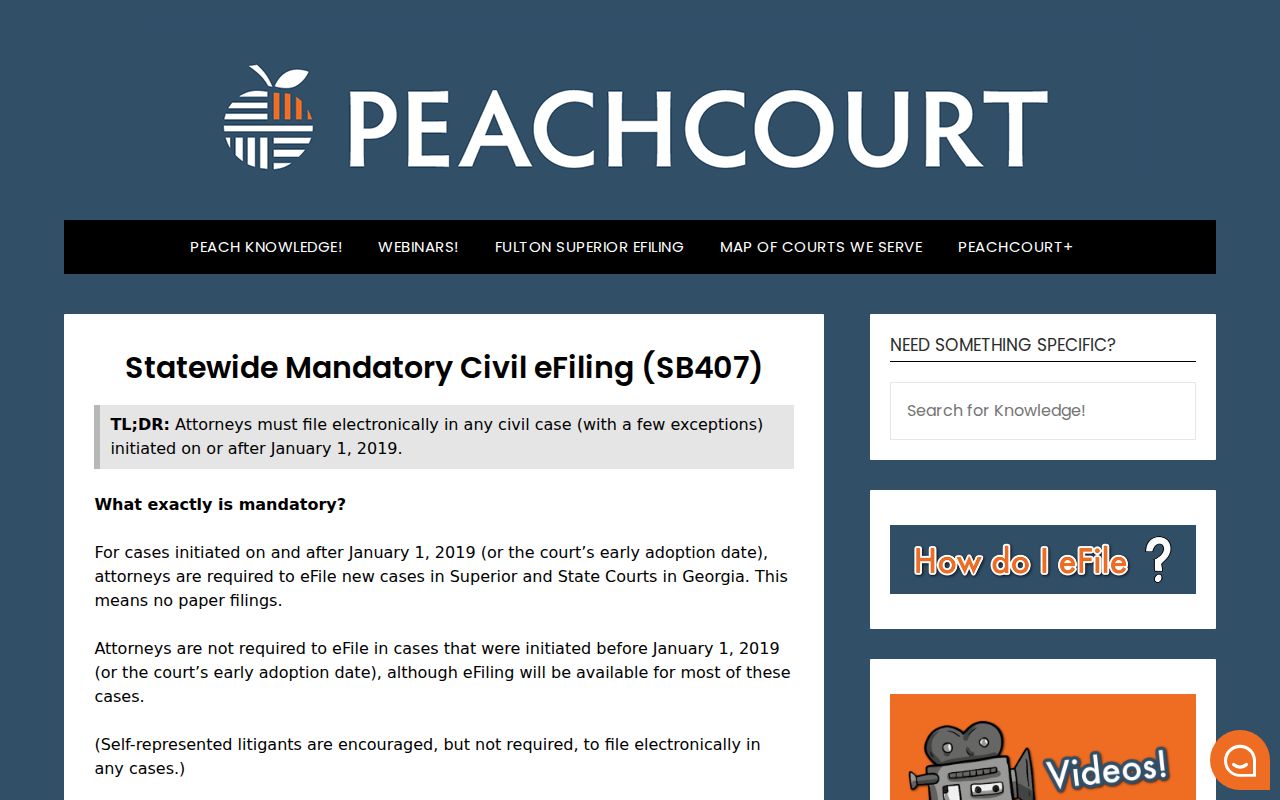
When a remote account or image does not work, ask the Clerk about inspection or the free courthouse access option required by Georgia’s e-filing standards. The clerk can explain the details.
| Path | Best use | Limit |
|---|---|---|
| PeachCourt | Cook Superior civil filing and eligible document access | Account, coverage, sealed-record, and per-page limits apply |
| EZ-File | Cook Criminal Superior e-filing | Authenticated filing interface, not a public guest docket search |
| Cook Clerk | Inspection, copies, certification, and record questions | Call or visit to confirm the custodian and fee |
Courts That Keep Dockets in Cook County
“Cook County docket” spans more than Superior files. Superior Court of Georgia, Alapaha Judicial Circuit, hears felony criminal, domestic-relations, equity, and general civil matters. Magistrate Court handles limited civil claims up to $15,000, dispossessory, garnishment, warrant, bond, and county-ordinance matters. Probate Court keeps probate and county-traffic files. Juvenile Court applies special access rules that go beyond the ordinary public docket. Adel, Sparks, Lenox, and Cecil keep municipal dockets.
| Court | Docket covers | Cook access point |
|---|---|---|
| Superior Court | Felony, domestic, general civil, equity, and authorized lower-court appeals | Cook Superior Clerk, 212 N. Hutchinson Avenue, Adel |
| Magistrate Court | Claims up to $15,000, dispossessory, garnishments, warrants, bonds, and ordinances | 1000 County Farm Road, Adel |
| Probate Court | Wills, estates, guardianships, vital records, marriages, firearms permits, and county traffic | 212 N. Hutchinson Avenue, Adel |
| Juvenile Court | Juvenile delinquency and dependency matters | Circuit Juvenile contact and protected clerk records |
| Municipal courts | City traffic and ordinance citations | Issuing city clerk in Adel, Sparks, Lenox, or Cecil |
The county has no separate State Court. A Superior record is not a State Court record. Federal matters are separate and route to the Middle District of Georgia, Valdosta Division.
Four Cook County Docket Hubs
Cook County’s access map has four practical hubs. The Superior Clerk and Probate Court share the Hutchinson Avenue courthouse address. They keep different records, though. Magistrate Court sits on County Farm Road. City courts keep city citations. The circuit calendar lists Superior settings across the five-county Alapaha circuit. Start at the wrong hub and you may see no result. The record may still be public even so.
The statewide provider directory adds a fifth layer. It does not erase local custody. Use the court name in the case paperwork, citation, or calendar before choosing a portal. City traffic starts with the issuing city, and county traffic belongs to Probate. Dispossessory and small civil claims go to Magistrate, while felonies and divorces go to Superior.
The circuit’s public directory lists judicial assistant and law-library contacts. These help with scheduling questions. The clerk handles record certification.
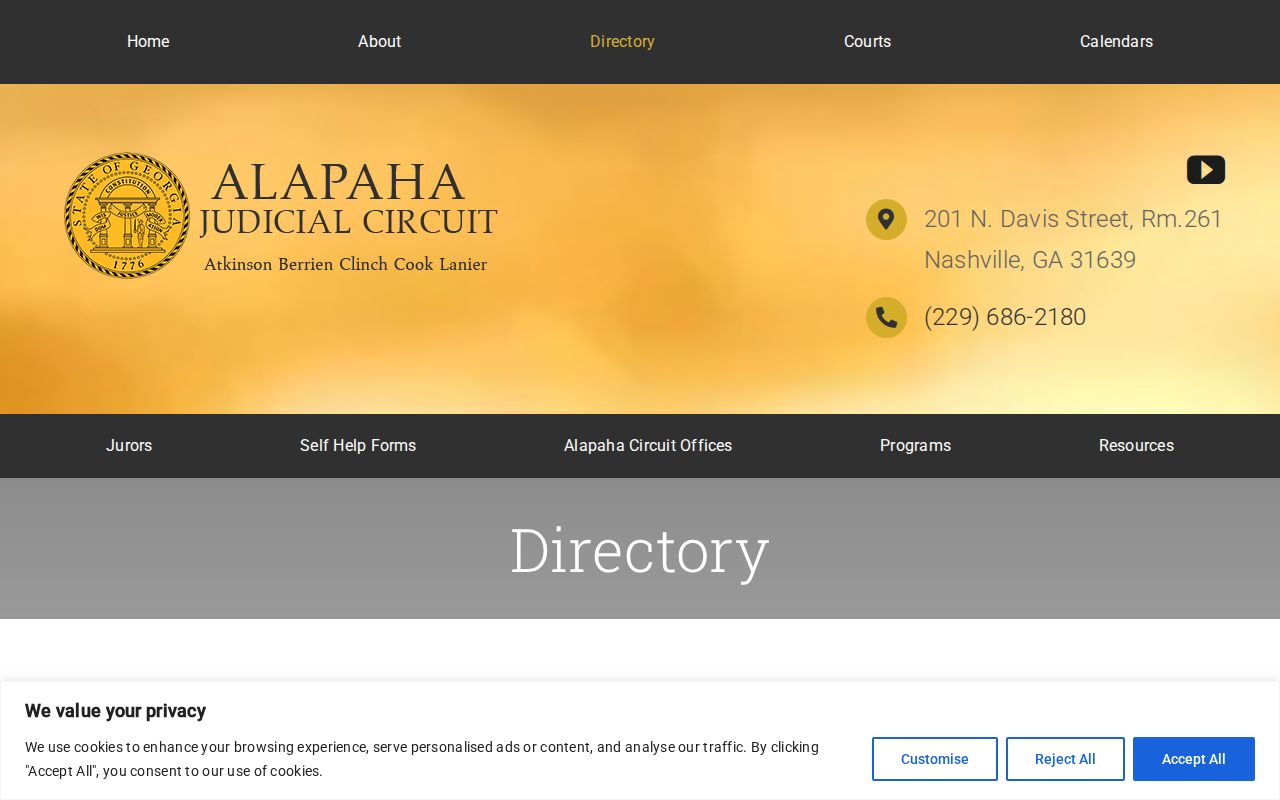
Offices in a courthouse share walls, not files. Send each request to the office that owns the case docket and its record.
How to Find Court Dates and Settings
Cook County settings appear in more than one place. The Alapaha Judicial Circuit posts annual, monthly, weekly-hearing, calendar-call, and civil-trial links. A Cook civil PDF shows the date, time, setting category, case field, hearing length, attorney columns, judge, reporter, and allotted time. The Cook Clerk also compiles civil, criminal, and arraignment calendars. A posted PDF is a scheduling aid. It does not lock in the date.
Start with the online circuit calendar. Then compare the case docket or call the correct office. The Cook Clerk is at (229) 896-7717, Probate at (229) 896-3941 for county traffic, Magistrate at (229) 896-3151, and the circuit directory lists a judicial-assistant contact at (229) 896-7644. A city citation belongs with the issuing city. The full date-search walkthrough is in the Cook County Court Dates page.
Let that circuit calendar view prompt you. Read the setting label, not just the date.
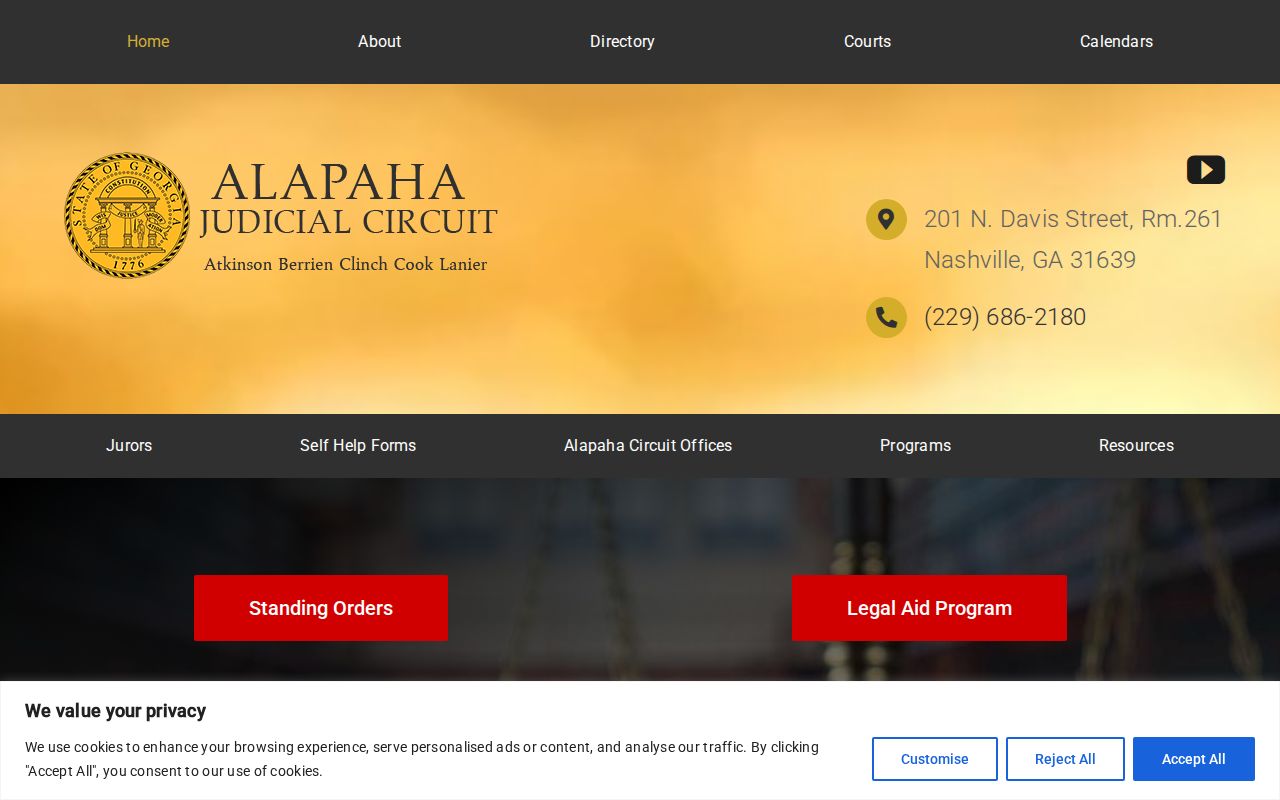
Confirm any important setting with the responsible court office first, before you appear.
Cook County Docket Calendar Codes
Every Alapaha calendar label carries procedural meaning. `Cook-Arraign.` and `Cook-Arraign. (Indict.)` mark arraignment settings. `Cook-Criminal Motions & Pleas`, `Cook-Misd. CC/Pleas`, and `Cook-Felony CC/Pleas` name the criminal calendar groups, while civil entries such as `Cook-Civil Pre-trials & Hearings`, `Cook-GJ`, `Cook-DFCS`, `Cook-DJJ`, and `Cook-Trial Calendar DUE` each do different work and are not interchangeable. A calendar call or trial-notice deadline is an administrative step, not a finding about the case.
- Calendar call
- A scheduling event used to sort matters into pretrial or trial paths.
- Trial Calendar DUE
- An administrative deadline for trial-calendar material, not the trial result.
- GJ
- The shorthand used in the circuit calendars for grand jury settings.
- DFCS and DJJ
- Setting labels tied to family-services and juvenile-justice matters, which have different custodians and access rules.
- IBIC Y/N
- A Cook civil-calendar planning flag for “In the Best Interest of the Children,” not a custody outcome.
The circuit's self-help index shows how many court programs share a regional calendar. That sharing does not create one public case search. A code list helps only when paired with the current Cook setting and the responsible court office.
Public Access to Court Dockets
Georgia law leans toward open government records. Access to court files still has limits. The Georgia Open Records Act sets a framework for inspection and copying, while Uniform Superior Court Rule 21, juvenile law, sealing orders, and redaction rules govern specific court material. The Cook Clerk states that juvenile, adoption, and military-discharge records are not generally open to the public. A public docket view has limits too. It does not authorize copying protected identifiers or treating every attachment as open.
Key rules:
O.C.G.A. § 50-18-70(a) states Georgia’s policy favoring open government unless a lawful exception applies.
O.C.G.A. § 50-18-71 covers inspection, copying, response timing, and reasonable search or copy charges.
Uniform Superior Court Rule 21 sets the public-access and sealing procedure for Superior Court records.
O.C.G.A. §§ 15-11-58 and 15-11-59 govern special juvenile access questions; Cook juvenile files are not a public name-search product.
When a file holds protected material, ask for the non-exempt portion. Redaction keeps the record public. It can withhold a Social Security number, financial detail, protected address, medical detail, or juvenile information. The current rule materials explain the reason. An access request may need more care than a simple portal lookup.
Verify the live rule and the clerk's current instructions before requesting a restricted or sealed record.
Cook County Docket Access Rules
A written county Open Records request and a court-file request are related but not identical. The Cook County form asks for a description, an inspection-or-copy choice, response date, contact information, signature, page count, fee, and payment details. It describes a three-business-day framework. It also generally references a $0.10 per-page charge. For Superior docket copies, use the Cook Clerk's court-copy schedule instead. Court rules can limit material that a general county request cannot compel.
Use the form for a formal trail when the record belongs to a county office. Route a Superior docket or certified filing to the Cook County Clerk of Superior Court first. Explain the court, case number, document type, and date range. Ask whether the record is public. Ask which fee schedule applies. Ask whether a redacted copy is available. The clerk should identify the legal basis for a denial. The clerk can also explain the expected response time.
Cook County's government page gives the public-office route for the written request.

A general request is not a workaround. It cannot bypass a sealing order, juvenile rule, or court-specific copy process.
| Request | First route | What to confirm |
|---|---|---|
| Superior docket inspection | Cook Clerk counter or phone | Case type, public status, terminal or counter access |
| Certified court copy | Cook Clerk or eCert route | Record availability, pages, certification, and card fee |
| County administrative record | Cook Open Records form | Description, response date, copy method, and fee |
Docket Records at the Clerk's Office
The Cook County Clerk of Superior Court serves as the main record keeper for Superior civil, domestic, criminal, juvenile, adoption, garnishment, warrant, lien, plat, and calendar material. April M. Garrett is the Clerk of Superior Court. PeachCourt or another vendor may display a filing image. The Clerk's office still holds the official file. The public contact block lists Monday through Friday, 8:00 a.m. to 5:00 p.m., excluding holidays. Ask the office directly when a docket question goes beyond what a vendor shows.
Cook County Clerk of Superior Court
212 N. Hutchinson Avenue
Adel, GA 31620
(229) 896-7717
Phone first when the court or record class is uncertain. The Clerk publishes (229) 896-7589 as a fax number but no fax-payment or turnaround procedure. The office lists no email or drop box. A mail request should name the court, case number if known, requested record, date range, and contact information. Call before sending payment. The published copy route distinguishes a standard copy from a certified copy.
| Product | Published Cook Clerk fee |
|---|---|
| In-office standard copy | $0.50 per page |
| In-office certified copy | $2.50 first page, then $0.50 each additional page |
| In-office non-standard copy | $1.00 per page |
| Online certified copy | $2.50 first page, then $0.50 each additional page, plus card fee |
| Online standard copy | $2.50 first page, then $1.00 each additional page, plus card fee |
The Clerk posts no general search fee or turnaround promise. Ask the Clerk to reconcile a current quote before relying on the county form's general copy language.
Cook County Courthouse and Docket Geography
Adel still anchors the county's docket geography, and the courthouse history explains why. Lawmakers carved Cook County out of Berrien County in 1918. Court business first ran through Adel city hall and a temporary two-story garage. That changed with a federal Public Works Administration project. It produced the two-story stripped-classical brick courthouse between 1938 and 1939. County historians call it a 1939 building. National Register material points to a 1939 to 1940 completion. A right-wing extension followed in 1973.
The older building helps explain the county's access layout. Superior and Probate access both converge at 212 N. Hutchinson Avenue. Magistrate Court sits at 1000 County Farm Road. None of that history settles current parking, entry, recording, or accessibility policy. The county does not publish those details. Confirm them with the office before you travel. For any docket request, the Clerk's current record and fee instructions are what control. The building's past does not govern.
Cook County Court Dockets by City
Four incorporated places appear in the cited Census place table. Adel is the largest. Its municipal court offers a Government Window citation interface. Sparks runs a municipal court too. It posts no public docket or payment portal. Lenox has a municipal court page with a Government Window interface. Cecil lists a city-court event page and a police-listed court clerk. There is no public payment search. City citations stay with the issuing city. County traffic belongs to Probate, and Superior matters go to the Cook Clerk.
Adel Docket Search
5,571 residents in the 2020 Census place table. Municipal traffic access uses the city court and Government Window.
Sparks Docket Search
2,043 residents. The city municipal court exists, but a public case or payment portal was not located.
Lenox Docket Search
752 residents. The municipal page and Government Window route are city-specific.
Cecil Docket Search
284 residents. Use the city court event page and clerk contact rather than assuming another city portal applies.
Everyone else in the county lives in unincorporated area, not a fifth city. Send those residents to the right court by type: Superior, Magistrate, Probate, Juvenile, or whichever court the citation names.
Cook County Probate Docket History
Probate is more than the county traffic payment counter. Cook Probate materials say wills, estates, guardianships, and related records reach back to 1875, with most public records open in the vault during business hours. A will filed for safekeeping stays sealed in its envelope. Withdrawing it takes a different process. The office also handles marriage, vital-record, and firearms-permit functions. Those filings do not belong in a Superior docket search just because they sit in the same courthouse.
This long paper trail comes with uneven digitization. A remote provider may show a newer document or a payment option, while an older probate file still needs a vault or counter request. Ask Probate at 212 N. Hutchinson Avenue, (229) 896-3941, which record path applies. On county traffic citations, the Probate payment page also lists a mail path: a name, citation number or license number, and a money order or certified funds, with no checks accepted.
A vendor screen answers one question. A calendar line answers another. A clerk-certified record answers a third. When the answers differ, the office holding the original is the right place to sort it out.
Map and Directions to the Cook County Courthouse
Superior Court and Probate Court records are kept at the Cook County Courthouse, 212 N. Hutchinson Avenue, in Adel, a two-story stripped-classical brick building completed under a federal Public Works Administration project in 1939, with a right-wing extension added in 1973. Magistrate Court is a separate building at 1000 County Farm Road; a Superior file will not be found there.
Cook County Clerk of Superior Court
212 N. Hutchinson Avenue
Adel, GA 31620
(229) 896-7717
Monday through Friday, 8:00 a.m. to 5:00 p.m., excluding holidays.
The Clerk's site does not identify the public terminal's exact room or floor, and no Cook courthouse page publishes parking, entry-screening, or ADA/interpreter arrangements, so call the Clerk before a time-sensitive visit. Probate's office hours are listed separately as 8:30 a.m. to 4:30 p.m., with walk-in service ending at 4:00 p.m., so confirm the counter's hours before traveling for a probate matter.